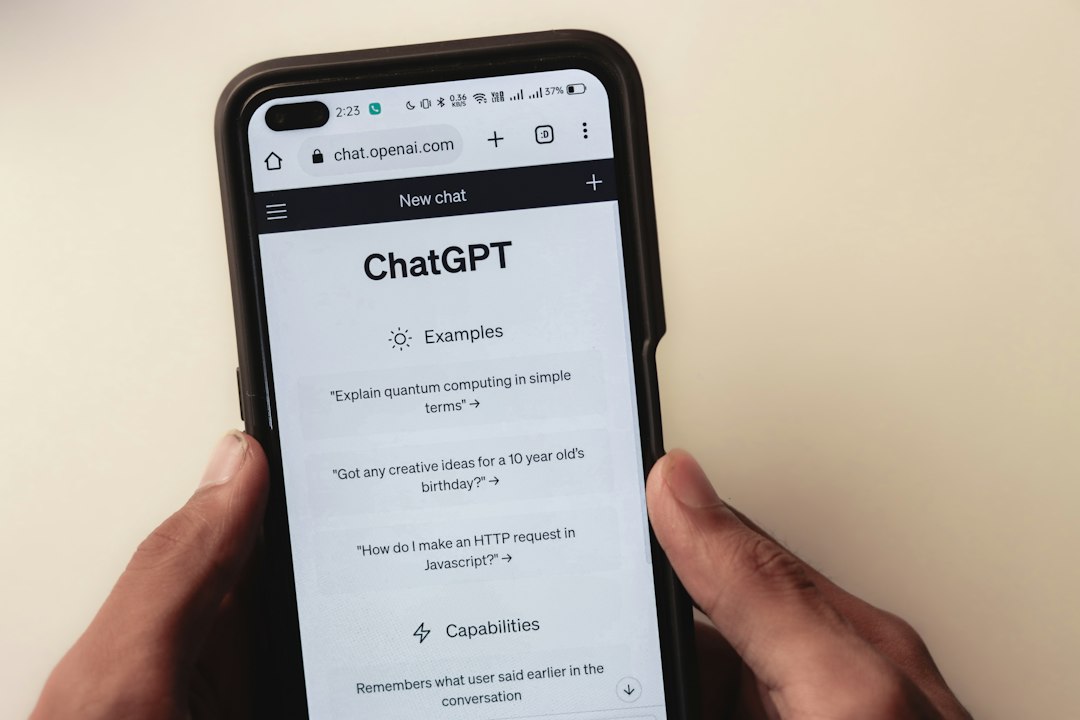
ChatGPT Space Sharing: Why a Link Does Not Make AI Conversations Public

On November 20, 2026, OpenAI announced that ChatGPT Space was rolling out to eligible Plus users and could host collaborative pages and presentations with connected-source updates. The first release has an important limitation: public links are not available, and invited viewers need a permitted signed-in account with Space access. Consumers accustomed to ordinary creator-profile links may find this surprising. The lesson is to inspect the actual audience and information inside a shared AI page rather than assuming a copied URL is open to everyone.

Live Dictation Privacy: What Happens When You Speak to an AI Chat App?

OpenAI’s November 18, 2026 Live Dictation rollout makes speech appear as text while a person talks and removes a former recording-time limit, according to its release notes. This improves a practical interface problem but does not, by itself, explain every storage or privacy setting. Consumers using AI chat or personality apps should distinguish live microphone capture, a draft transcript, a sent message and a long-term memory item. The quickest way to evaluate an app is to test what it displays, what it sends and what the user can reverse.

ChatGPT’s November Mobile Redesign: A Consumer Checklist Before Switching AI Chat Apps

OpenAI announced a new ChatGPT mobile experience on November 19, 2026, with personalized tabs and discoverability changes for eligible users. The update initially targets certain adult Pro users in supported locations, with some Plus access, and excludes several regions at launch. A newly visible interface feature is not necessarily a reason to switch from a favorite AI chat or digital-human app. Consumers should compare real account eligibility, conversation controls and costs before assuming a promotional screenshot describes their own phone.